Nurturing the Rural Future: How Sustainable Farming Practices Protect the Countryside


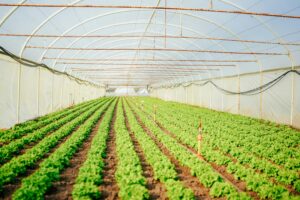
Countryside conservation has become one of the most important conversations of our time. As cities grow and global food demand rises, rural landscapes face increasing pressure. Yet these landscapes are more than fields and barns— they are living ecosystems, cultural treasures, and essential resources that support communities around the world. Sustainable farming practices offer a powerful way to protect these places while still providing the food we need. By nurturing soil, conserving water, and supporting biodiversity, farmers can help ensure the countryside remains healthy for generations to come.
The Changing Face of Rural Landscapes
Across the United States, rural regions have experienced significant changes over the past few decades. Large-scale operations have gradually replaced traditional small farms, and natural habitats have often given way to agricultural expansion. While this growth increases productivity, it can also create environmental challenges, such as soil degradation, wildlife loss, and water contamination. These issues highlight the need for smarter, more responsible farming methods.
Sustainable farming practices aim to balance productivity with environmental protection. They encourage farmers to work with nature rather than against it, improving long-term resilience and reducing harmful impacts. The goal is not only to conserve the land but to enhance it, making it stronger and more adaptable.
The Importance of Healthy Soil
Soil is the foundation of countryside conservation. Without rich, fertile soil, farms cannot thrive. However, traditional farming techniques—such as heavy tilling and overuse of chemical fertilizers—can weaken the soil over time. Sustainable farming encourages practices that restore and protect this vital resource.
One standard method is reduced tillage, which limits soil disturbance. When soil is left intact, it retains more organic matter, moisture, and nutrients. Cover crops are another powerful tool. These plants grow between primary crop cycles, protecting the soil from erosion and naturally enriching it with nitrogen. Over time, these practices create stronger soil that supports healthier crops and reduces the need for synthetic fertilizers.
Water Conservation in Farming Communities
Water plays a crucial role in the health of rural landscapes. Yet fluctuating climate patterns and increased water demand make conservation more critical than ever. Sustainable farming introduces irrigation strategies designed to use water efficiently while maintaining crop productivity.
For example, drip irrigation delivers water directly to plant roots, minimizing waste. Farmers also use soil moisture sensors to ensure crops receive only the water they truly need. In addition, planting drought-resistant varieties helps farmers adapt to dry conditions without overusing water sources.
These approaches not only reduce water usage but also protect local rivers, wetlands, and groundwater systems. When farming communities manage water responsibly, they create a more stable environment for both people and wildlife.
Biodiversity as a Natural Ally
Biodiversity is essential to countryside conservation. A diverse ecosystem supports pollinators, controls pests, and maintains natural balance. Unfortunately, monocropping—growing a single crop across large areas—can reduce biodiversity and leave land more vulnerable to disease and pests.
To restore ecological balance, many farmers are returning to traditional mixed-crop systems. Planting different crops side by side encourages natural pest control and improves soil health. Surrounding fields with hedgerows, tree lines, or small habitat patches also provides shelter for birds, bees, and beneficial insects. These species support crop growth and contribute to a healthier environment overall.
By protecting biodiversity, farmers strengthen the natural systems that sustain their operations. This creates a positive cycle that benefits both the countryside and the food supply.
Supporting Local Communities
Sustainable farming is not just about environmental health; it also supports rural communities economically and culturally. When farmers adopt eco-friendly practices, they often reduce input costs and increase long-term productivity. This makes their businesses more resilient during economic shifts or climate challenges.
Local markets and farm-to-table programs also play a key role in community support. By selling directly to consumers, farmers keep more revenue within rural neighborhoods. This strengthens the local economy and helps preserve the cultural identity of countryside regions.
Educational programs, community gardens, and agricultural apprenticeships help younger generations stay connected to farming traditions. These initiatives ensure that countryside conservation remains a shared community effort.
A Path Toward a Greener Future
Sustainable farming practices offer a hopeful path for countryside conservation. By caring for soil, managing water wisely, and supporting biodiversity, farmers can protect the land while feeding a growing population. These methods create healthier ecosystems and stronger rural communities, proving that environmental stewardship and agricultural productivity can work hand in hand.
The future of the countryside depends on the decisions we make today. When farmers, consumers, and local leaders commit to sustainable practices, they safeguard the natural beauty and cultural richness of rural landscapes. Through thoughtful conservation and responsible farming, we can nurture a countryside that continues to flourish for decades to come.